News • Media Watch Plastics 'leading to reproductive problems for wildlife' Share Copied to clipboard Scientists say some marine animals with high levels of pollutants are failing to calve The Guardian Source URL: The Guardian Similar Content © Steven Siegel Marine Photobank May 21, 2014 • CMS • Siberian Crane • AEWA • ASCOBANS • Atlantic Turtles • IOSEA Turtles • Monk Seal in the Atlantic • Pacific Islands Cetaceans • Aquatic Mammals Opinion: The Ugly Truth about Garbage and Island Biodiversity May 21, 2014 • AEWA • ASCOBANS • Atlantic Turtles • CMS • IOSEA Turtles • Monk Seal in the Atlantic • Pacific Islands Cetaceans • Aquatic Mammals Opinion: The Ugly Truth about Garbage and Island Biodiversity Dec 13, 2019 • ASCOBANS • CMS • Pacific Islands Cetaceans • Aquatic Mammals Microplastics 1 million times more abundant in the ocean than previously thought Sep 16, 2015 • ASCOBANS • Atlantic Turtles • CMS • Dugong • IOSEA Turtles • Monk Seal in the Atlantic • Pacific Islands Cetaceans • Sharks • Aquatic Mammals Weltmeere: Fischbestände haben sich binnen 40 Jahren halbiert View all publications
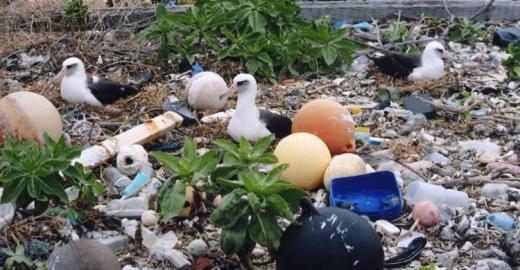
© Steven Siegel Marine Photobank May 21, 2014 • CMS • Siberian Crane • AEWA • ASCOBANS • Atlantic Turtles • IOSEA Turtles • Monk Seal in the Atlantic • Pacific Islands Cetaceans • Aquatic Mammals Opinion: The Ugly Truth about Garbage and Island Biodiversity
May 21, 2014 • AEWA • ASCOBANS • Atlantic Turtles • CMS • IOSEA Turtles • Monk Seal in the Atlantic • Pacific Islands Cetaceans • Aquatic Mammals Opinion: The Ugly Truth about Garbage and Island Biodiversity
Dec 13, 2019 • ASCOBANS • CMS • Pacific Islands Cetaceans • Aquatic Mammals Microplastics 1 million times more abundant in the ocean than previously thought
Sep 16, 2015 • ASCOBANS • Atlantic Turtles • CMS • Dugong • IOSEA Turtles • Monk Seal in the Atlantic • Pacific Islands Cetaceans • Sharks • Aquatic Mammals Weltmeere: Fischbestände haben sich binnen 40 Jahren halbiert